How rainforest gets turned into a bar of soap.
Palm oil is productive and versatile, but the destruction begins when industrial plantations replace tropical rainforest. It then disappears from view as the oil is processed, mixed and sold through global supply chains.
Green is not the same as living forest.
A plantation can remain green from a distance while supporting only a fraction of the life found in natural rainforest. Rows of one commercial crop cannot replace seasonal food, nesting trees, layered canopy or connected wildlife corridors.
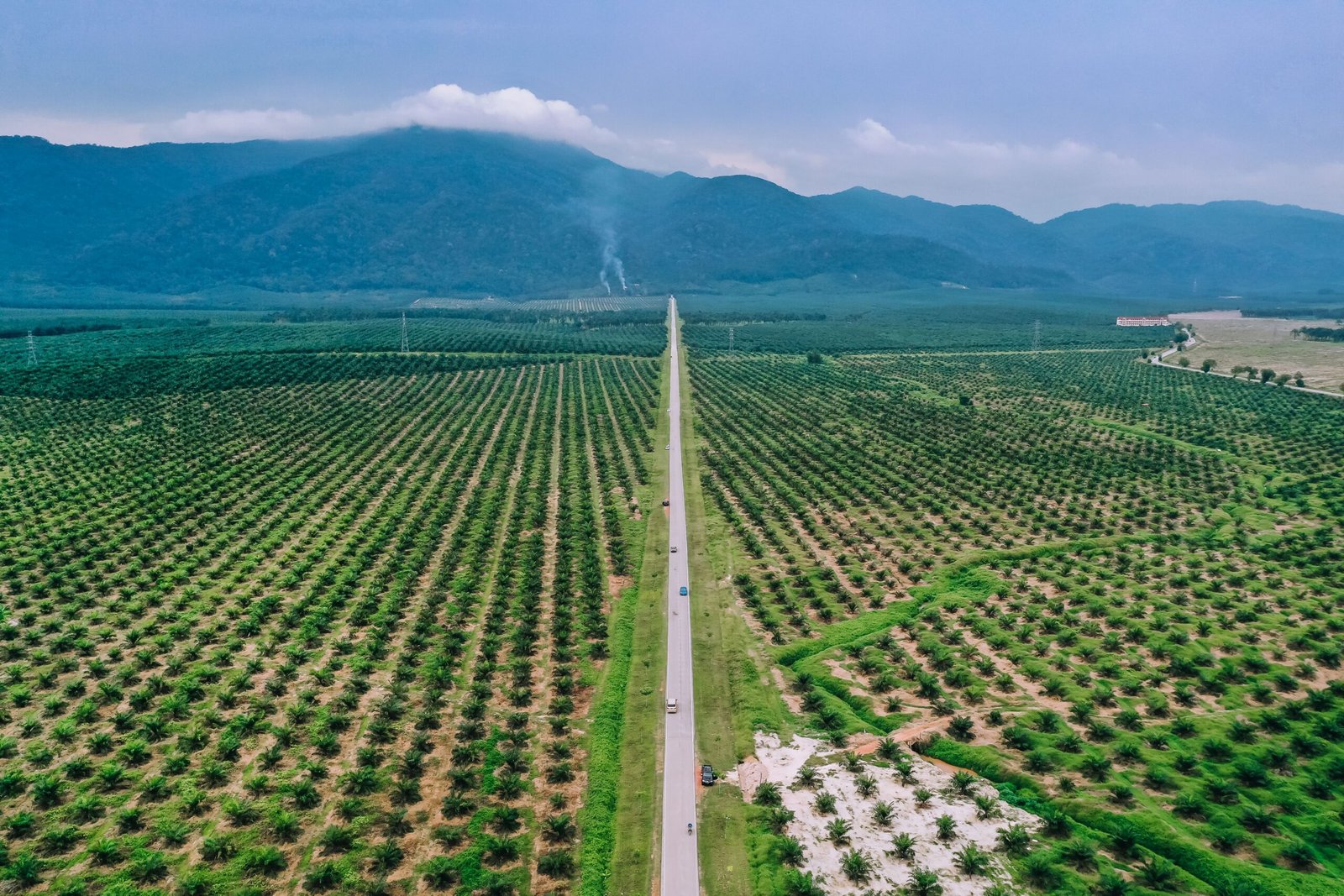
What is lost when rainforest becomes plantation.
Both may look green, but a palm-oil plantation is not a rainforest.
A connected living system
- Many tree and plant species
- Seasonal fruit and nesting trees
- Layered, connected canopy
- Wildlife movement and genetic exchange
- Carbon stored in forest and peat
A single commercial crop
- Uniform rows of oil palms
- Few food or nesting options
- Roads and drainage divide habitat
- Displaced wildlife enters conflict zones
- Drained peat becomes vulnerable to fire
The economic benefits were concentrated, while the costs were widely shared.
Using fire to clear land on a large scale could dramatically reduce the cost of plantation development. Indonesian courts have held some palm-oil companies responsible in cases involving fires on plantation land. The economic benefits of plantation expansion remained concentrated, while much of the resulting damage was borne by communities, wildlife and the climate.
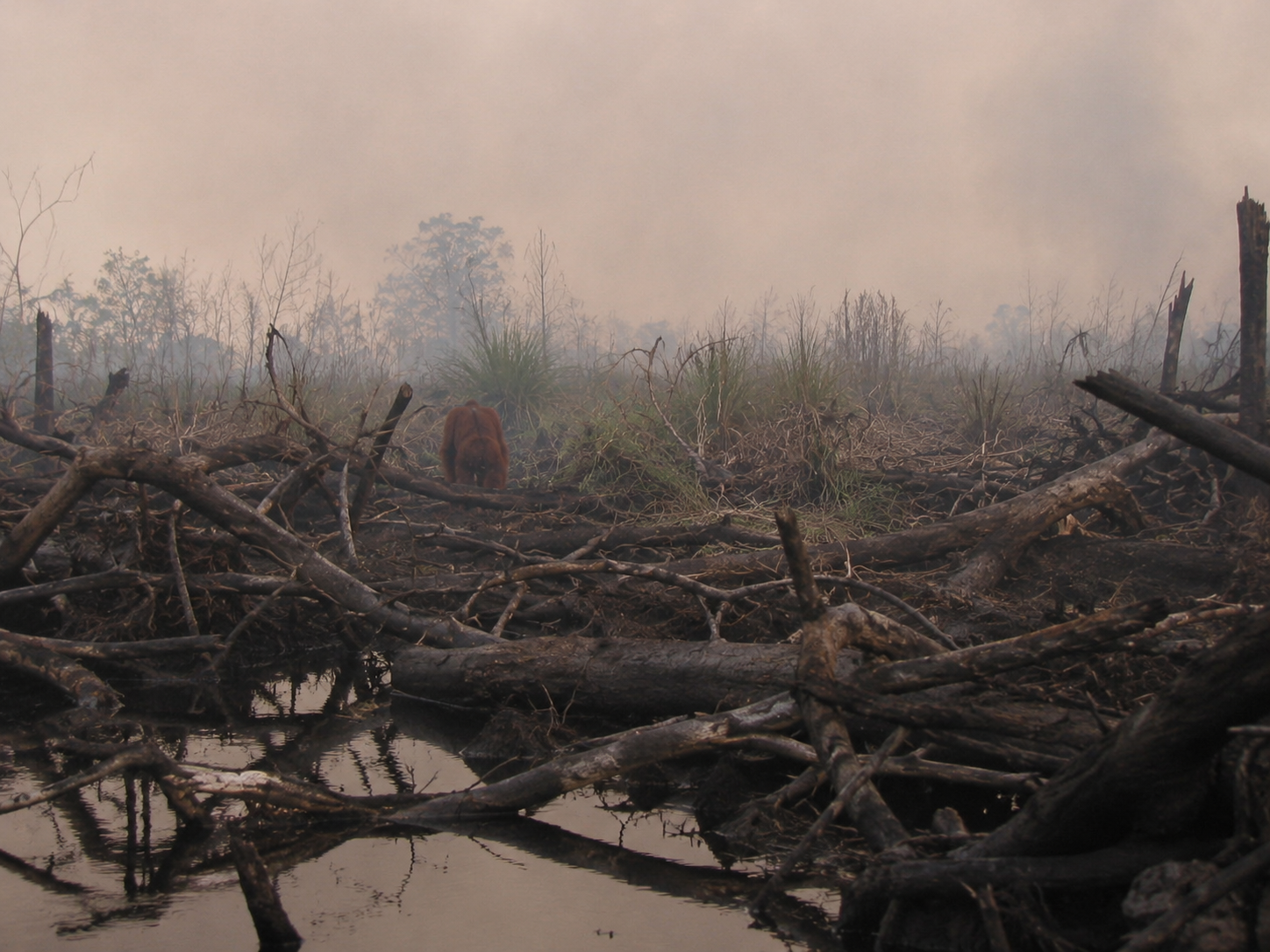
The benefit and the damage moved in opposite directions.
The people and companies receiving the economic benefit were often not the ones absorbing the consequences.
Who Benefited?
- Plantation owners and investors
- Processors, traders and exporters
- Manufacturers using a cheap, versatile ingredient
- Retailers selling palm-dependent products
Who Paid the Cost?
- Orangutans killed or injured
- Orangutans and other wildlife losing habitat
- Indonesian communities breathing hazardous smoke
- People across Malaysia, Singapore and other parts of Southeast Asia exposed to regional haze
- Children, older adults and people with heart or lung disease
- The global climate as peat and forest carbon entered the atmosphere
estimated premature deaths linked to the severe regional haze
The smoke crossed borders, while the economic benefits remained concentrated.
Fires used to clear land spread through damaged forest and carbon-rich peat. On drained peatlands, fire could continue below the surface for weeks.
The 2015 fire season blanketed parts of Indonesia, Malaysia and Singapore in hazardous haze. A peer-reviewed modelling study estimated about 100,300 premature deaths from that year alone.
RSPO supply-chain models provide different levels of physical connection and traceability.
RSPO certification does not always mean the palm oil physically used in a product came from a clearly identified certified source. The four supply-chain models differ in how certified volumes are connected to the physical oil and how closely that oil can be traced.

Credits
No physical link required
Buying RSPO Credits supports certified production elsewhere. The palm oil physically used in the product does not need to come from the certified producer represented by the credits.
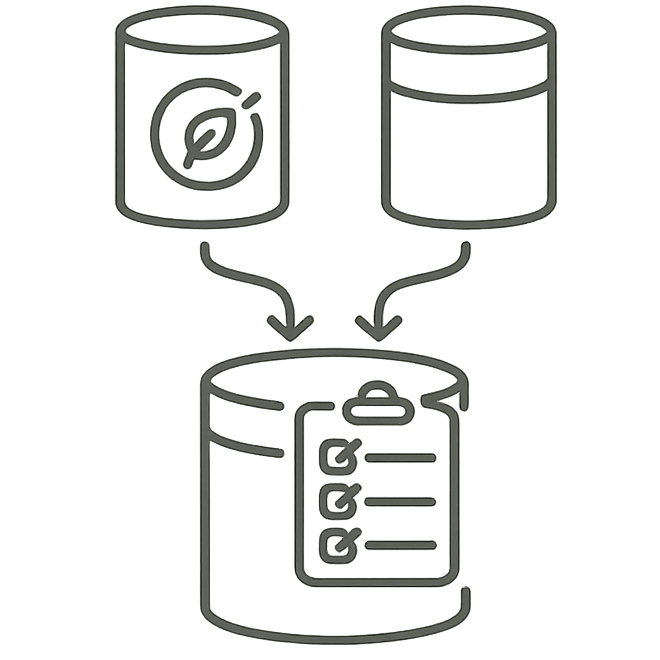
Mass Balance
Certified and conventional supply may be mixed
RSPO-certified and non-certified palm oil may be mixed at any stage of the supply chain, while certified volumes are accounted for.
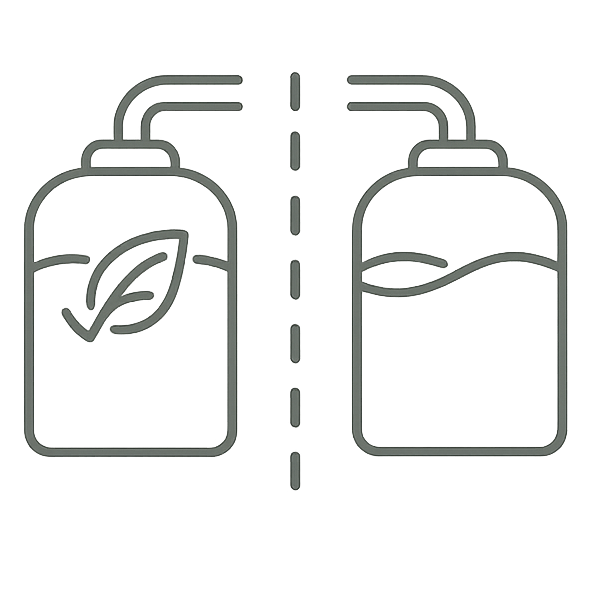
Segregated
Certified supply kept separate
Palm oil from different RSPO-certified sources may be combined, but it is kept separate from non-certified palm oil throughout the supply chain.

Identity Preserved
One identifiable certified source
RSPO-certified palm oil from a single identifiable source is kept separate from non-certified palm oil throughout the supply chain.
A better measure than certification alone is independently verified evidence that the palm oil is traceable to its source, deforestation-free, produced with respect for community rights, and linked to measurable protection of forests and wildlife.
Learn how palm oil hides on product labels.
The practical Palm Oil Guide explains direct palm-oil terms, possible derivatives and ways to reduce avoidable palm-oil use.
How this guide was prepared.
This page draws on peer-reviewed research and primary reporting and standards on forest conversion, biodiversity loss, orangutan conflict and killing, regional haze, peat-fire emissions and palm-oil supply chains.
- Scientific Reports: Four Decades of Industrial Plantation Expansion in Borneo
- Environmental Evidence: Biodiversity Effects of Oil-Palm Production
- Frontiers: Forest Fragments and Orangutan Metapopulations
- PLOS ONE: Quantifying Killing of Orangutans in Kalimantan
- Associated Press: Plantation Workers and Orangutan Deaths
- Environmental Research Letters: Public-Health Impacts of the 2015 Haze
- Scientific Reports: Carbon Emissions from the 2015 Fires
- RSPO: Palm-Oil Supply-Chain Models