Find It Before You Buy It
Palm oil appears in food, cosmetics, cleaning products and many other everyday items. This practical guide shows you which ingredients clearly identify palm oil, which may be palm-derived, and how to choose products from companies with greater sourcing accountability. For why this matters, read What Makes Palm Oil Damaging.
Four signals to check before you buy
Scan the label and the company’s sourcing information for these four clues.




How to Read a Label
- 01
Look for direct palm terms
Palm oil, palm fat, palm-kernel oil, palm olein, palm stearin and sodium palmate clearly identify palm ingredients.
- 02
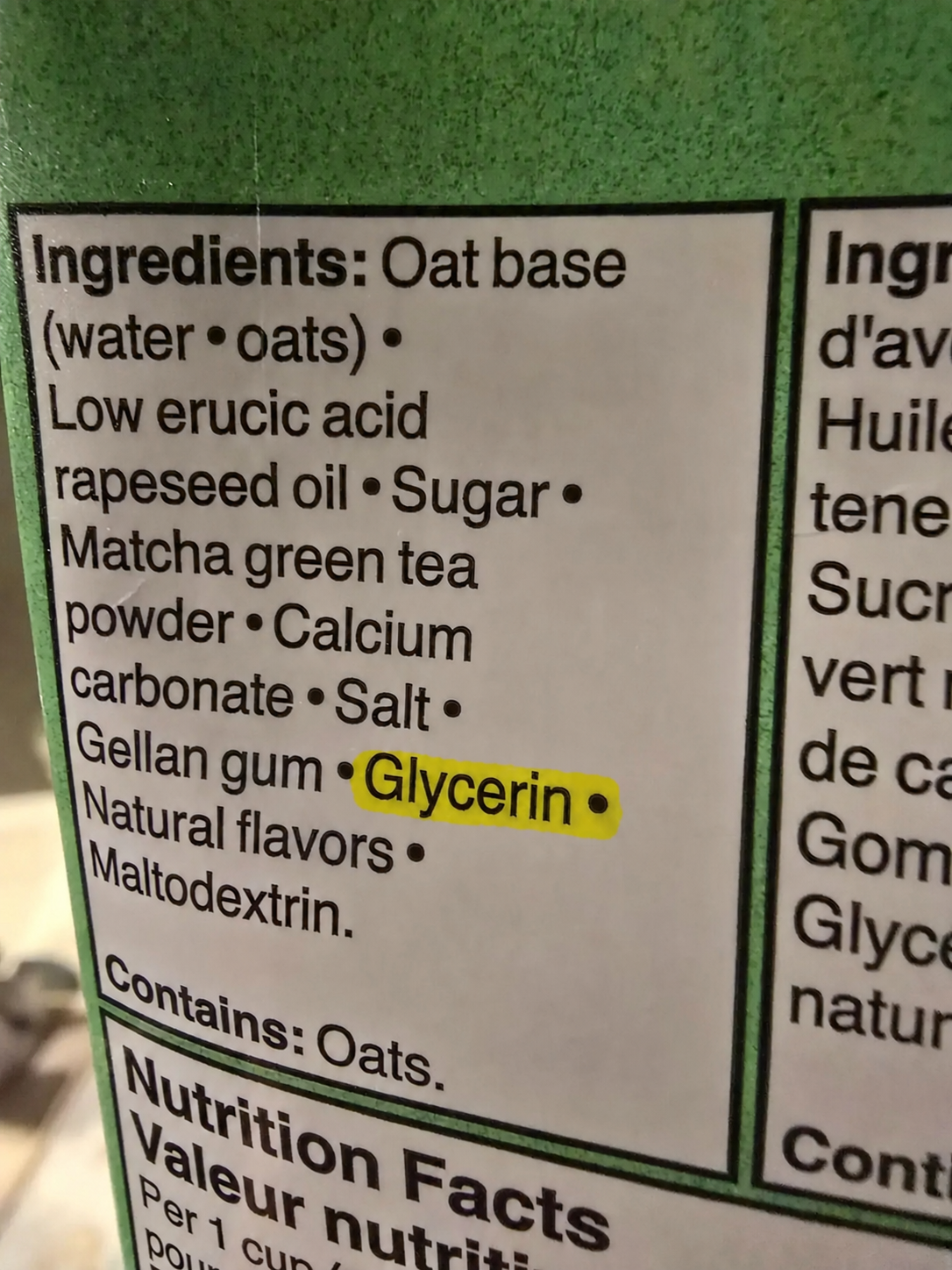
Notice ingredients with several possible sources
Glycerin, stearates, palmitates, fatty alcohols and surfactants may come from palm oil or from other sources.
- 03
Check when the source is not disclosed
Look at the company’s sourcing information or contact the manufacturer before assuming where the ingredient came from.
Products That Often Contain Palm Oil
Packaged Food
Cookies, crackers, pastries, chocolate spreads, instant noodles, margarine, shortening, frozen meals and non-dairy creamers.
Beauty & Hygiene
Soap, shampoo, conditioner, lotion, lipstick, toothpaste, deodorant, shaving products and makeup.
Household Products
Laundry detergent, dish soap, surface cleaners, candles, air fresheners and fabric-care products.
Industrial Uses
Biofuel, animal feed, lubricants, surfactants and chemical ingredients used to manufacture other products.
Names That Clearly Identify Palm Oil
These are the easier ingredients to identify. The label either names palm directly, uses the oil palm’s botanical name, or lists a palm-based soap ingredient.
Food Labels
Look for palm oil, palm fat, palm-kernel oil, palm olein, palm stearin, or modified and hydrogenated palm oil.
Cosmetic Labels
Elaeis guineensis oil is the botanical ingredient name commonly used for African oil palm oil in cosmetics and personal-care products.
Soap Labels
Sodium palmate and sodium palm kernelate commonly appear in bar soap and other cleansing products.
| Name on the label | Where it commonly appears |
|---|---|
| Palm oil / palm fat | Packaged food, baked goods, spreads, shortening and prepared meals. |
| Palm-kernel oil / palm-kernel fat | Confectionery, coatings, soap and personal-care products. |
| Palm olein / palm stearin | Cooking oil, frying oil, margarine, shortening, bakery fats and soap. |
| Hydrogenated or modified palm oil | Packaged food, fillings, coatings and bakery products. |
| Elaeis guineensis oil | Cosmetics, lotions, hair products and skin care. |
| Sodium palmate / sodium palm kernelate | Bar soap and cleansing products. |
Names That May Be Palm-Derived
These ingredients can come from palm, coconut, another vegetable oil, animal fat or synthetic sources. The name alone usually does not reveal the source.
Glycerin and glycerol
Used to retain moisture and as a solvent in food and personal-care products.
Stearic acid and stearates
Used as thickeners, emulsifiers, lubricants and texture agents.
Palmitic acid and palmitates
Used as fatty acids, emollients, stabilisers and vitamin carriers.
Mono- and diglycerides
Food emulsifiers that help blend fats and water.
Lauryl and laureth compounds
Foaming and cleansing ingredients used in soap, shampoo and detergents.
Fatty alcohols, polysorbates and PEG compounds
Used as emollients, thickeners, emulsifiers and solubilisers.
Check the company website or ask the manufacturer whether these ingredients come from palm or palm-kernel oil.
A Green Package Doesn’t Tell You Much
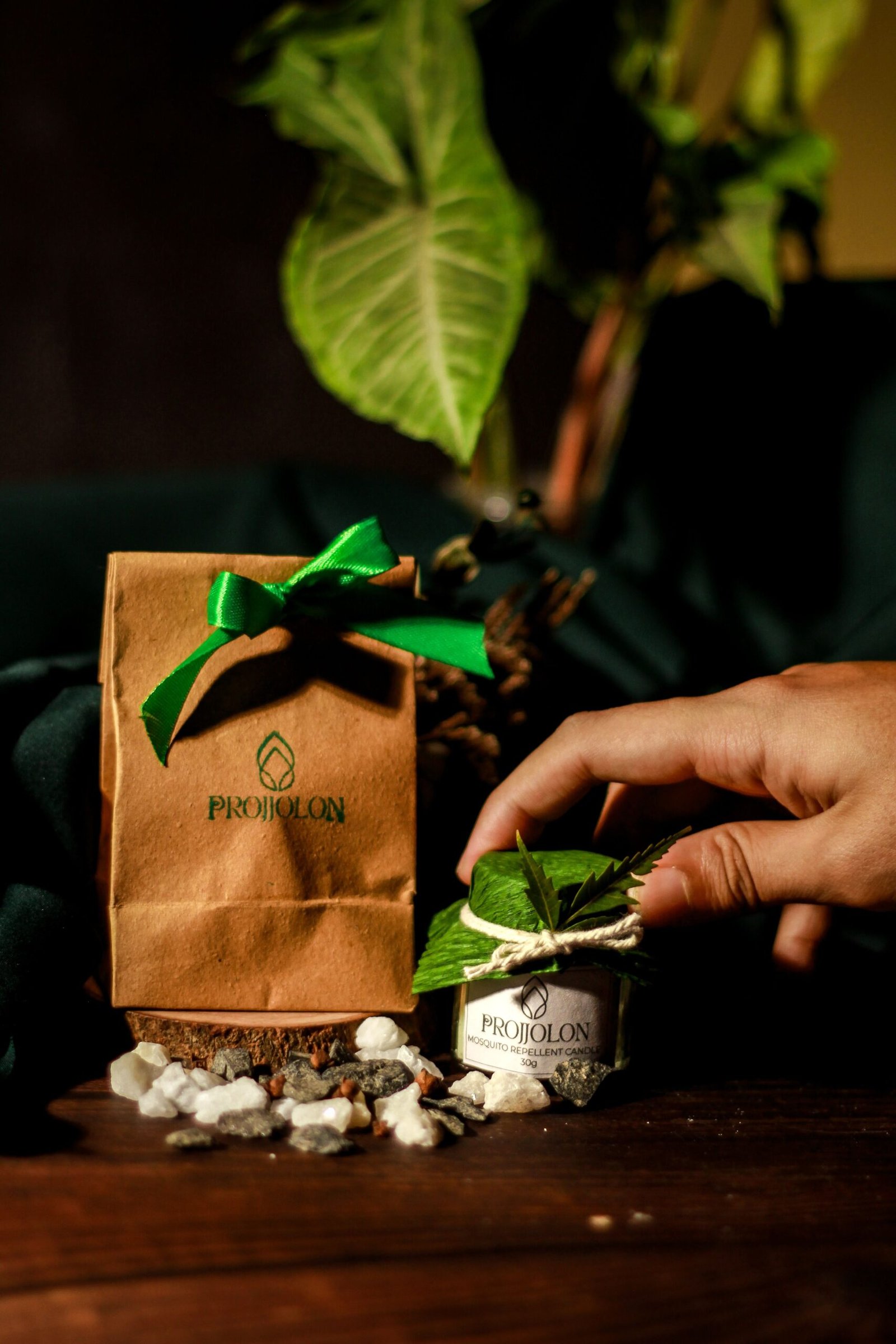
Words such as “natural,” “plant-based,” “eco” or “responsibly made” do not tell you where palm ingredients came from or whether forest was cleared.
- Read the ingredient list, not just the front of the package.
- Check whether the company discloses suppliers, mills and sourcing regions.
- Do not treat a certification logo as proof that no harm occurred.
What Certification Claims Mean
RSPO stands for the Roundtable on Sustainable Palm Oil. It is a voluntary system that sets environmental and social standards for palm-oil production.

Credits
No physical link required
Buying RSPO Credits supports certified production elsewhere. The palm oil physically used in the product does not need to come from the certified producer represented by the credits.
Mass Balance
Certified and conventional supply may be mixed
RSPO-certified and non-certified palm oil may be mixed at any stage of the supply chain, while certified volumes are accounted for.
Segregated
Certified supply kept separate
Palm oil from different RSPO-certified sources may be combined, but it is kept separate from non-certified palm oil throughout the supply chain.
Identity Preserved
One identifiable certified source
RSPO-certified palm oil from a single identifiable source is kept separate from non-certified palm oil throughout the supply chain.
A better measure than certification alone is independently verified evidence that the palm oil is traceable to its source, deforestation-free, produced with respect for community rights, and linked to measurable protection of forests and wildlife.
Four Practical Actions at the Store

- 01
Read the ingredient list
Ignore vague claims such as “natural” or “plant-based” on the front of the package.
- 02
Choose palm-free where practical
Reduce avoidable demand when a transparent palm-free alternative is available.
- 03
Ask about hidden derivatives
Contact the manufacturer when the crop source is not disclosed.
- 04
Look for traceability
Prefer companies that disclose suppliers, mills and sourcing regions.
How this guide was prepared.
This page uses Canadian and U.S. food-labelling guidance, U.S. cosmetic-ingredient naming requirements, manufacturer-disclosure practices and official explanations of palm-oil supply-chain claims. Labelling rules vary by country, and formulas and sourcing policies change.
Orangutan Facts
Go beyond the palm-oil story. Learn how orangutans live, where the three species are found, what they eat, how they raise their young and why protecting rainforest matters.
Explore Orangutan Facts- Three orangutan species
- Habitat & range
- Diet & behaviour
- Lifespan & reproduction
- Conservation status