Understand the animal.
Understand the problem.
Orangutan conservation makes more sense when you understand the animal first.
Start with how orangutans live, what makes them unusual and why they depend on large areas of rainforest. Then follow the story outward into the forests, the threats they face and the work being done to protect them.
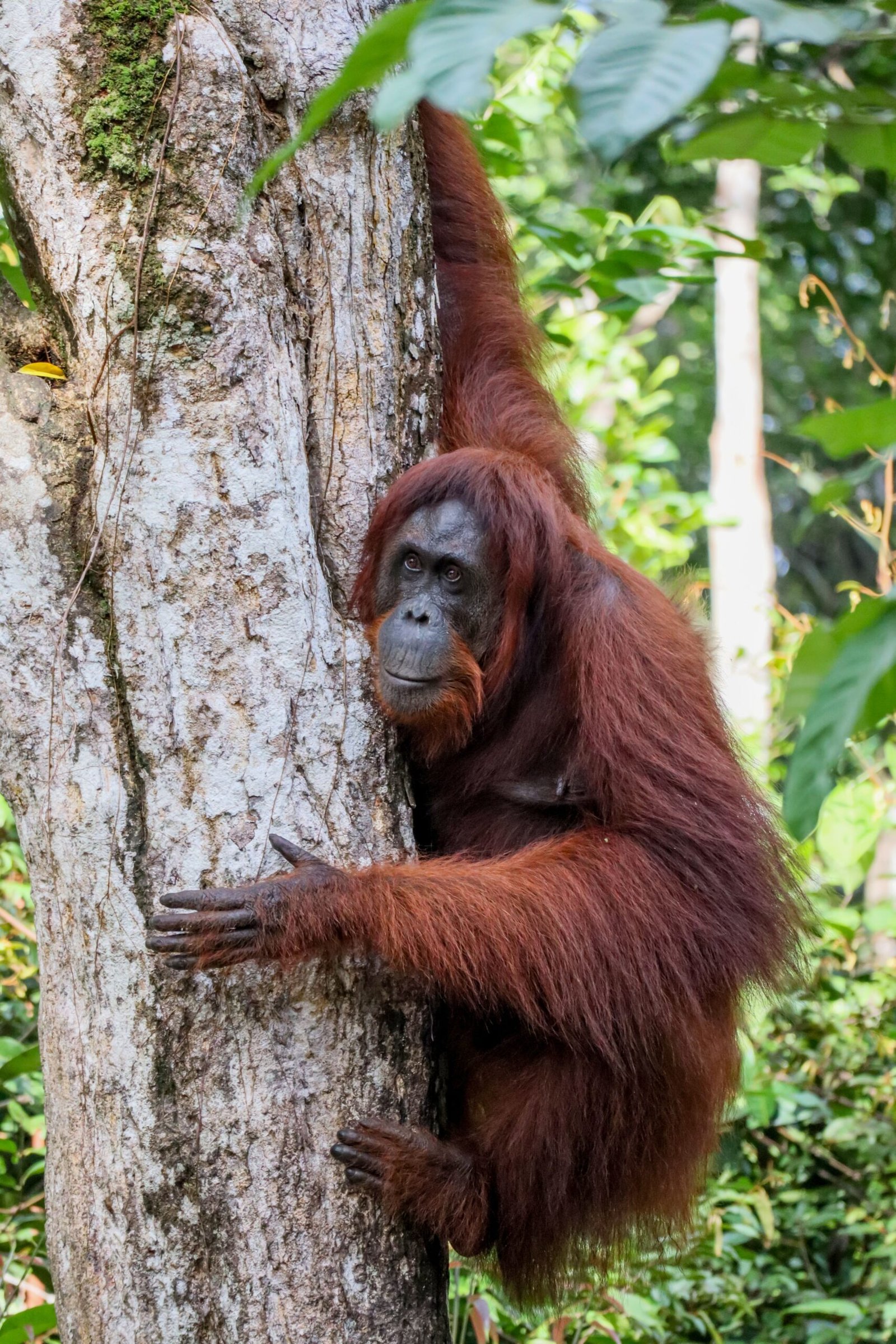
Meet the orangutan first.
Before habitat loss, palm oil or conservation policy makes much sense, it helps to understand the animal at the centre of the story.
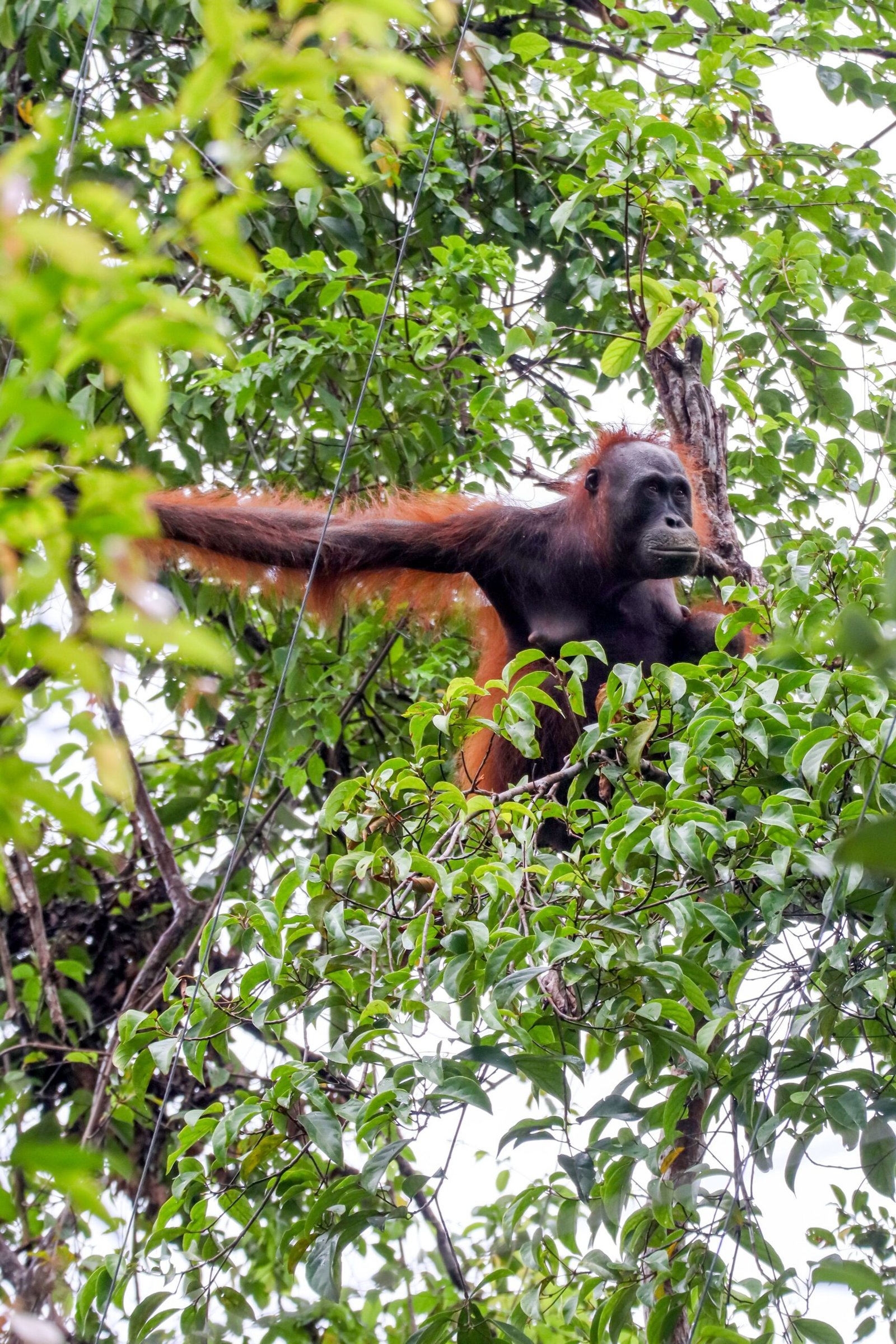
An animal unlike almost anything else
Orangutans are intelligent, largely solitary great apes with one of the longest childhoods in the animal world.
Learn about their intelligence, behaviour, diet, reproduction, forest life and the differences between Bornean, Sumatran and Tapanuli orangutans.
 02
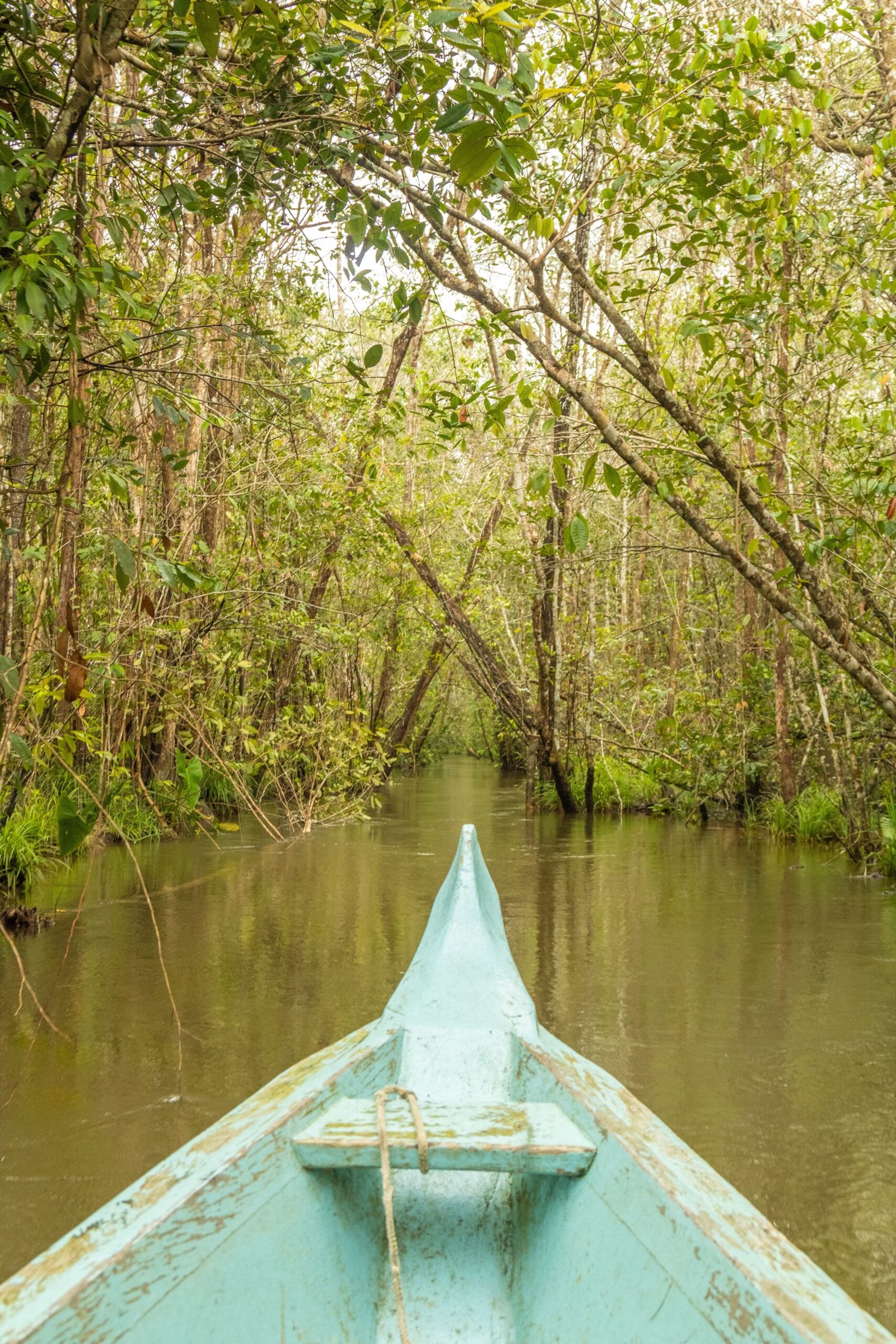
02Why orangutans are disappearing
Habitat loss, palm oil, mining, fire, wildlife trade and conflict with people are all part of the story.
 03
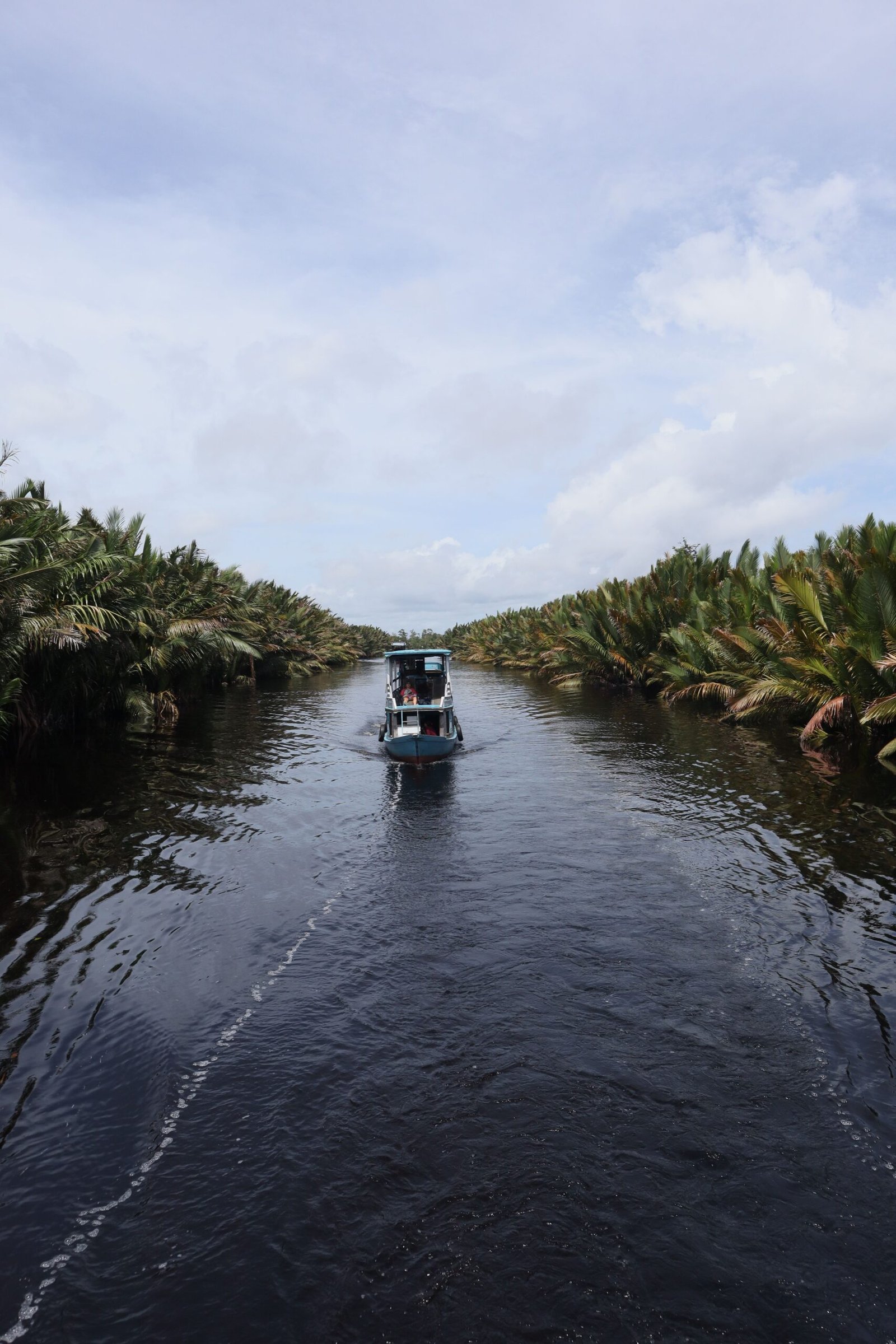
03See how conservation works
Research, rehabilitation, tourism and forest protection come together in Tanjung Puting National Park.
Take it with you.
Downloadable materials for classrooms, presentations, community groups and anyone who wants to share reliable information about orangutans.
PDFOrangutan Fact Sheet
A simple printable introduction to orangutan biology, behaviour and forest life.
Downloadable PDF
PDFMeet the Three Species
A visual guide comparing Bornean, Sumatran and Tapanuli orangutans.
Downloadable PDF
PDFOrangutans Under Threat
A short discussion guide covering habitat loss, palm oil, mining and other pressures on orangutan habitat.
Downloadable PDF
You don’t need to be an expert.
Share a fact you found interesting. Send someone a story. Use one of these pages for a school project. Talk about where orangutans live and what is happening to their forests.
- For a school project, start with Orangutan Facts.
- For a conversation about palm oil, understand the issue first.
- For someone travelling to Borneo, share the ethical tourism guide.
Most people will never see a wild orangutan.
But they can still understand what is being lost. A photograph, a story or one surprising fact can be enough to make someone curious.